
Can a Chiropractor Fix a Pinched Nerve?
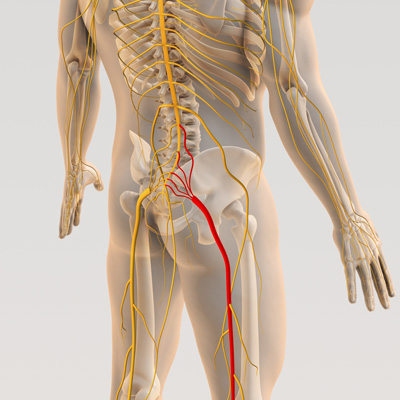 That sharp, shooting pain down your arm or leg isn’t something you should ignore. When you’re dealing with a pinched nerve, every movement can feel like torture. Can a chiropractor fix a pinched nerve? Absolutely! As a chiropractor in Redlands, I’ve helped countless patients find lasting relief from nerve compression through targeted, evidence-based treatment.
Understanding Pinched Nerves
A pinched nerve occurs when surrounding tissues – bones, muscles, or cartilage – apply too much pressure on a nerve. Think of it like stepping on a garden hose: the water can’t flow properly, and neither can the nerve signals in your body.
What Causes Pinched Nerves?
Most pinched nerves develop gradually due to:
- Poor posture – Hours hunched over computers or phones
- Disc herniation – When spinal discs bulge and press on nerves
- Spinal misalignment – Vertebrae shifting out of proper position
- Repetitive stress – From work activities or sports
- Arthritis – Bone spurs that narrow nerve pathways
Areas Most Affected by Nerve Compression

Signs & Symptoms: When Your Body is Asking for Help
Your nervous system has a clever way of telling you something’s wrong. Here’s what to watch for:
Primary symptoms include:
- Sharp, burning, or aching pain
- Numbness and tingling sensations
- Muscle weakness in affected areas
- Radiating pain (like sciatica down your leg)
Red flags requiring immediate attention:
- Loss of bowel or bladder control
- Severe weakness in arms or legs
- Progressive numbness
- Intense pain that doesn’t improve with rest
Can a Chiropractor Really Fix a Pinched Nerve?
Here’s the straight answer: Yes, a chiropractor can fix a pinched nerve by correcting the underlying spinal misalignment causing nerve compression.
The Key Difference: Treating the Cause, Not Just Symptoms
While medications and injections might temporarily numb your pain, they don’t fix what’s actually pinching your nerve. It’s like turning down your smoke alarm instead of putting out the fire.
Traditional approaches (temporary relief):
- Pain medications mask symptoms
- Injections reduce inflammation short-term
- Rest may help but doesn’t correct alignment
Chiropractic approach (long-term solution):
- Spinal adjustments restore proper alignment
- Nerve pressure is eliminated at the source
- Natural healing processes are restored
Our Chiropractic BioPhysics® (CBP) Approach to Pinched Nerves
At our clinic, we use advanced Chiropractic BioPhysics® techniques to create lasting change. This isn’t your typical “crack and go” approach – we’re engineering structural corrections.
Step 1: Comprehensive Evaluation
We start with detailed postural analysis and digital X-rays to see exactly what’s happening in your spine. Every degree of misalignment matters when nerves are involved.
Step 2: Customized Treatment Plans
Based on research by Harrison et al. (2005) in Clinical Biomechanics, we know that restoring normal spinal curves is crucial for relieving nerve pressure. Your treatment plan targets these specific structural issues.
Step 3: Chiropractic Adjustments: Precision Meets Gentle Care
Our adjustments focus on:
- Cervical spine corrections for neck-related nerve issues
- Lumbar realignment for sciatica and lower back problems
- Thoracic adjustments for mid-back nerve compression
We use gentle techniques appropriate for your condition. Some patients need lighter touch approaches, while others benefit from more traditional adjustments.
Complementary Therapies: Supporting Your Recovery
Chiropractic treatment for nerve compression extends beyond adjustments. We incorporate:
Soft Tissue Therapies
- Myofascial release to reduce muscle tension
- Trigger point therapy for localized pain
- Instrument-assisted soft tissue mobilization
Spinal Decompression Options
- Flexion-distraction techniques
- Manual traction for disc-related nerve compression
- Gentle stretching protocols
Additional Supportive Treatments
- Heat and ice therapy for inflammation control
- TENS units for pain management
- Ergonomic training to prevent recurrence
- Corrective exercises to strengthen supporting muscles
Benefits of Chiropractic Care for Pinched Nerves
When you choose chiropractic care for pinched nerve issues, you’re investing in:
Immediate benefits:
- Drug-free pain relief
- Improved range of motion
- Better sleep quality
- Reduced muscle tension
Long-term advantages:
- Corrected spinal alignment
- Stronger supporting muscles
- Better posture habits
- Prevention of future episodes
Get Back to Normal With Chiropractic Care
Can a chiropractor fix a pinched nerve? The answer is a resounding yes, especially when you choose evidence-based care that addresses the root cause rather than just masking symptoms.
Don’t let nerve pain control your life another day. Whether you’re dealing with sciatica, neck pain, or numbness in your arms, we have the tools and expertise to help you heal naturally.
Ready to experience the difference that proper spinal alignment can make? Book your consultation today with Dr. Ray Sahawneh at Ray Chiropractic in Redlands, CA. Let’s work together to get you back to the active, pain-free life you deserve.
Frequently Asked Questions
How long does it take a chiropractor to fix a pinched nerve?
Most patients experience some relief within 2-4 visits, but complete correction typically takes 6-12 weeks. Acute cases often respond faster than chronic conditions that have developed over months or years.
Can chiropractic prevent surgery for pinched nerves?
Studies suggest that 85-90% of pinched nerve cases can be resolved without surgery when proper chiropractic care is received early. However, severe cases with progressive neurological deficits may still require surgical intervention.
Is chiropractic safe for a pinched nerve in the neck or lower back?
Yes, when performed by trained professionals. We use gentle techniques specifically designed for sensitive nerve conditions. Our CBP approach emphasizes gradual, controlled corrections rather than forceful manipulations.
Should I see a chiropractor or physical therapist for a pinched nerve?
Both professions can help, but chiropractors specialize in spinal alignment corrections that directly address nerve compression. Physical therapy often works well as a complementary treatment to strengthen muscles after chiropractic correction.
References:
- Bronfort, G., et al. (2010). Effectiveness of manual therapies. European Spine Journal, 19(4), 562-577.
- Harrison, D.E., et al. (2005). Modeling of the sagittal cervical spine. Clinical Biomechanics, 20(7), 675-684.
- Jensen, M.C., et al. (2013). Early intervention strategies for acute low back pain. Pain Medicine, 14(11), 1681-1690.
- Konstantinou, K., & Dunn, K.M. (2008). Sciatica: Review of epidemiological studies. Spine Journal, 8(6), 948-958.
- Murphy, D.R., et al. (2006). Non-surgical approach to the management of patients with lumbar radiculopathy. BMC Musculoskeletal Disorders, 7, 16.
- Pickar, J.G. (2002). Neurophysiological effects of spinal manipulation. Journal of Electromyography and Kinesiology, 12(1), 1-12.
- Rubinstein, S.M., et al. (2019). Benefits and harms of spinal manipulative therapy. Spine Journal, 19(7), 1132-1137.