
What Causes Lower Back Pain in Females? 5 Common Triggers & Solutions
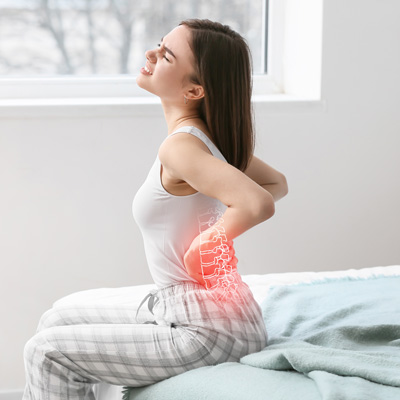
Understanding what causes lower back pain in females requires looking beyond generic “back pain” explanations. Women face distinct biomechanical and hormonal challenges that demand specialized approaches.
Let’s break down the five most common female-specific causes and what you can do about them.
1. Hormonal & Gynecological Factors
Menstrual Cycle & PMS: Prostaglandin-Driven Back Pain
Many women experience lower back pain that intensifies during their period. This isn’t coincidence – it’s biochemistry.
During menstruation, your body releases prostaglandins—hormone-like chemicals that trigger uterine contractions. These same chemicals affect nearby tissues, including lower back muscles and ligaments.
How prostaglandins cause back pain:
- Trigger muscle contractions in pelvic region
- Create inflammation in surrounding tissues
- Increase pain sensitivity
- Cause referred pain to lower back and hips
Endometriosis: Internal Tissue Creating External Spinal Pressure
Endometriosis occurs when uterine tissue grows outside the uterus—sometimes on structures near the spine. This creates inflammation, adhesions, and direct pressure on spinal nerves.
Endometriosis-related back pain characteristics:
- Cyclical pain worsening during periods
- Deep, aching sensation in pelvis and low back
- Pain during intercourse
- Doesn’t respond well to typical back treatments
If your back pain follows your menstrual cycle and conventional treatments haven’t helped, endometriosis may be the underlying cause requiring medical evaluation.
2. The Biomechanical Impact of Pregnancy & Postpartum
The Role of Relaxin: Loose Ligaments Creating Instability
Pregnancy floods your body with relaxin – a hormone that loosens ligaments to prepare your pelvis for childbirth. While essential for delivery, relaxation creates significant spinal instability.
Relaxin’s effects on your spine:
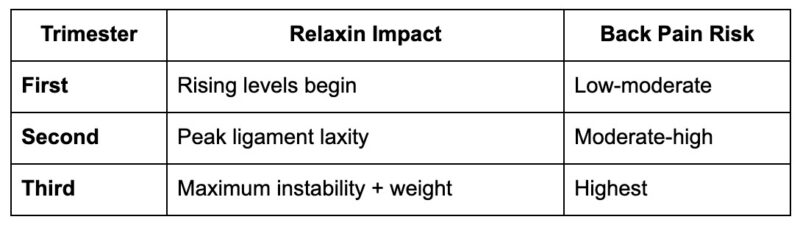
This ligament loosening doesn’t just affect your pelvis -it impacts your entire spine’s ability to maintain proper alignment and stability.
Postpartum Shifts: Pain That Persists Months After Birth
Many women assume back pain will disappear after delivery. But hormonal changes, weakened core muscles, and altered biomechanics often persist for months postpartum.
Why postpartum back pain continues:
- Relaxin remains elevated during breastfeeding
- Abdominal muscles stretched and weakened
- Pelvic floor dysfunction
- Repetitive stress from carrying/nursing baby
- Sleep deprivation affecting tissue healing
At our chiropractor Redlands practice, we specialize in postpartum structural correction that addresses these specific challenges.
3. SI Joint Dysfunction: The “Hidden” Cause of Female Pain
Why Female Pelvic Structure Is Prone to Sacroiliac Misalignment
The sacroiliac (SI) joints connect your sacrum to your pelvis. Female pelvic structure – wider and more mobile than male anatomy – makes these joints particularly vulnerable to dysfunction.
- Wider pelvic structure creates more motion
- Hormonal ligament laxity
- Pregnancy-related changes
- Carrying children on hips
- High-heeled footwear altering mechanics
Signs Your Pain Is SI Joint Related
- One-sided lower back/buttock pain
- Pain worsening when standing from sitting
- Difficulty putting weight on one leg
- Pain climbing stairs or getting in/out of car
- Relief when lying down
Unlike disc herniations that create radiating leg pain, SI joint dysfunction typically stays localized to the lower back, buttock, and hip area.
4. Structural Alignment
The “High Heel” Effect: Footwear Altering Spinal Curvature
High heels don’t just affect your feet – they fundamentally alter your entire spinal alignment by forcing your pelvis forward.
Biomechanical cascade from heels:
- Heels shift weight forward onto balls of feet
- Pelvis tilts forward to compensate (anterior tilt)
- Lower back arches excessively (hyperlordosis)
- Increased pressure on lumbar facet joints
- Chronic lower back pain develops
Sedentary Posture
Prolonged sitting affects everyone – but combined with female-specific factors like wider Q-angle (knee alignment) and different pelvic mechanics, it creates unique problems.
Why sitting hurts women differently:
- Greater pelvic width creates different pressure distribution
- Hormonal ligament laxity allows more postural collapse
- Purse/bag carrying creates asymmetric loading
- Multitasking postures (phone tucked on shoulder)
5. Age-Related Changes: Menopause & Bone Density
Estrogen Loss and Spinal Health
Menopause brings dramatic estrogen decline and estrogen plays critical roles in maintaining bone density, disc hydration, and ligament strength.
Estrogen’s spine-protective effects:
- Maintains bone mineral density
- Supports disc hydration and nutrition
- Preserves ligament elasticity
- Reduces inflammatory processes
Loss of these protective effects during menopause accelerates spinal degeneration and increases pain vulnerability.
Osteoporosis: Protecting Vertebrae From Compression
Postmenopausal women face significantly higher osteoporosis risk. As bones weaken, vertebrae become vulnerable to compression fractures – even from minor stress.
Osteoporosis warning signs:
- Height loss (more than 1 inch)
- Sudden sharp back pain
- Visible spinal curve changes
- Fractures from minor falls
Corrective Chiropractic: Fixing the Foundation
Understanding what causes lower back pain in females reveals why generic treatments often fail. You need targeted correction addressing female-specific biomechanics.
Our corrective approach:
- Comprehensive assessment: Identify hormonal, structural, and biomechanical factors
- Pelvic-focused adjustments: Correct SI joint and pelvic misalignments
- Postural rehabilitation: Address anterior pelvic tilt and spinal curves
- Hormone-aware timing: Adjust treatment intensity around menstrual cycles
This isn’t about temporary pain relief – it’s about correcting the structural foundation causing ongoing problems.
Take Control of Your Lower Back Health
Now you understand what causes lower back pain in females – hormonal influences, pregnancy changes, SI joint vulnerability, postural factors, and age-related degeneration all play roles.
At Ray Chiropractic, we specialize in corrective care addressing the unique challenges women face. We don’t just “manage” your pain – we correct the structural imbalances and biomechanical dysfunction creating it.
Ready to address the root causes of your back pain? Contact Ray Chiropractic today to schedule a comprehensive female-focused spinal evaluation. We’ll identify your specific triggers and create a personalized correction plan that addresses your unique needs – whether you’re dealing with hormonal influences, postpartum changes, or age-related degeneration.
